

Hey there! I'm a supplier of high voltage switchgear, and I often get asked about how to ensure the compatibility of new components with existing high voltage switchgear. It's a crucial question, especially considering the safety and efficiency of electrical systems. So, let's dive right in and explore this topic.
Understanding the Basics of High Voltage Switchgear
First off, high voltage switchgear is like the traffic cop of an electrical system. It controls, protects, and isolates electrical equipment, making sure everything runs smoothly. But when you want to add new components, things can get a bit tricky.
The existing switchgear has its own set of specifications, including voltage ratings, current-carrying capacities, and protection settings. These are designed to work together in harmony. So, when you introduce a new component, it has to fit into this pre - established ecosystem.
Step 1: Know Your Existing Switchgear Inside Out
The very first thing you need to do is to have a detailed understanding of your existing high voltage switchgear. This means going through the manufacturer's documentation, which should tell you all about its technical specifications, such as its rated voltage, rated current, short - circuit withstand capacity, and the type of protection relays it uses.
For example, if your switchgear has a rated voltage of 35 kV, any new component you add must be able to handle this voltage level. You can also check the nameplate on the switchgear itself, which usually has some basic information. If you're unsure, you can always reach out to the original manufacturer or a professional electrical engineer.

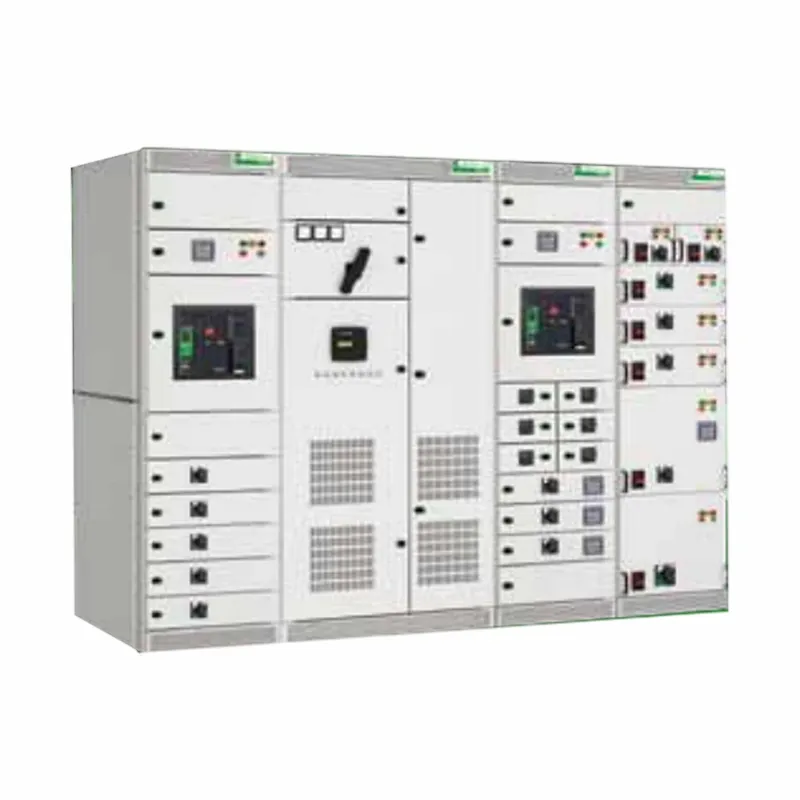
Step 2: Evaluate the New Component
Once you know your switchgear well, it's time to take a close look at the new component. Check its datasheet to see if it meets the requirements of your existing system. Some key aspects to consider are:
- Voltage and Current Ratings: The new component should have voltage and current ratings that are compatible with the switchgear. For instance, if your switchgear can handle a maximum current of 1000 A, the new component should either have the same or a lower current rating to avoid overloading.
- Insulation Level: High voltage systems rely on proper insulation to prevent electrical breakdown. Make sure the new component has an insulation level that is appropriate for the voltage in your system.
- Communication Protocols: In modern high voltage switchgear, communication between components is often crucial. If your existing switchgear uses a certain communication protocol, the new component should be able to communicate using the same protocol.
Step 3: Consider the Physical Fit
It's not just about the electrical compatibility; the physical fit of the new component is also important. Measure the available space in your switchgear cabinet. The new component should fit snugly without causing any overcrowding, which could lead to poor ventilation and increased risk of overheating.
Also, check the mounting requirements. Some components may need specific mounting brackets or arrangements. Make sure your switchgear can accommodate these requirements.
Step 4: Perform Compatibility Testing
Before you fully integrate the new component into your existing switchgear, it's a good idea to perform some compatibility tests. This can include:
- Functional Testing: Check if the new component functions as expected when connected to the switchgear. For example, if it's a new protection relay, test its tripping and alarm functions.
- Electrical Testing: Use appropriate electrical testing equipment to measure parameters such as voltage, current, and insulation resistance. Compare the test results with the expected values to ensure compatibility.
Step 5: Seek Professional Help if Needed
If you're not confident in your ability to ensure compatibility on your own, don't hesitate to seek professional help. An experienced electrical engineer can perform in - depth analysis and testing to make sure everything is in order.
Some Examples of Compatible Components
Let's take a look at some common components that you might want to add to your high voltage switchgear and how to ensure their compatibility.
- Circuit Breakers: When adding a new circuit breaker, check its interrupting capacity. It should be able to interrupt the short - circuit current that your switchgear is designed to handle. Also, make sure its operating mechanism is compatible with the control system of your switchgear.
- Relays: New relays need to have the right settings to work with your existing switchgear. They should be able to communicate with the other components in the system and provide accurate protection.
The Role of Standards and Regulations
It's important to note that there are various standards and regulations that govern the design and installation of high voltage switchgear and its components. For example, standards like IEC 62271 series provide guidelines on the performance and safety requirements of high voltage switchgear. Make sure that both your existing switchgear and the new component comply with these standards.
Links to Related Products
If you're in the market for some high - quality components, you might be interested in the Schneider Blokset 5000 High Reliability Intelligent Low Voltage Package. It offers great reliability and advanced features. Also, the Oil Immersed Transformer S11 Series is a popular choice for many electrical systems. And for protection against lightning, the Lightning - Protection Industrial Power Transformer can be a great addition.
Conclusion
Ensuring the compatibility of new components with existing high voltage switchgear is a multi - step process that requires careful planning, evaluation, and testing. By following the steps outlined above, you can minimize the risks associated with adding new components and ensure the safe and efficient operation of your electrical system.
If you're looking to purchase high voltage switchgear or compatible components, I'm here to help. Whether you have questions about compatibility or need advice on the right products for your system, feel free to reach out for a purchase and negotiation.
References
- IEC 62271 series - High - voltage switchgear and controlgear
- Manufacturer's documentation of high voltage switchgear and components


